Open build · Rev A
Uncompressed 12-bit CinemaDNG at 1080p — on a Raspberry Pi 5 and a Sony sensor, in a body you print. Nothing baked in, nothing locked down.
scroll ↓
Body — Rev A
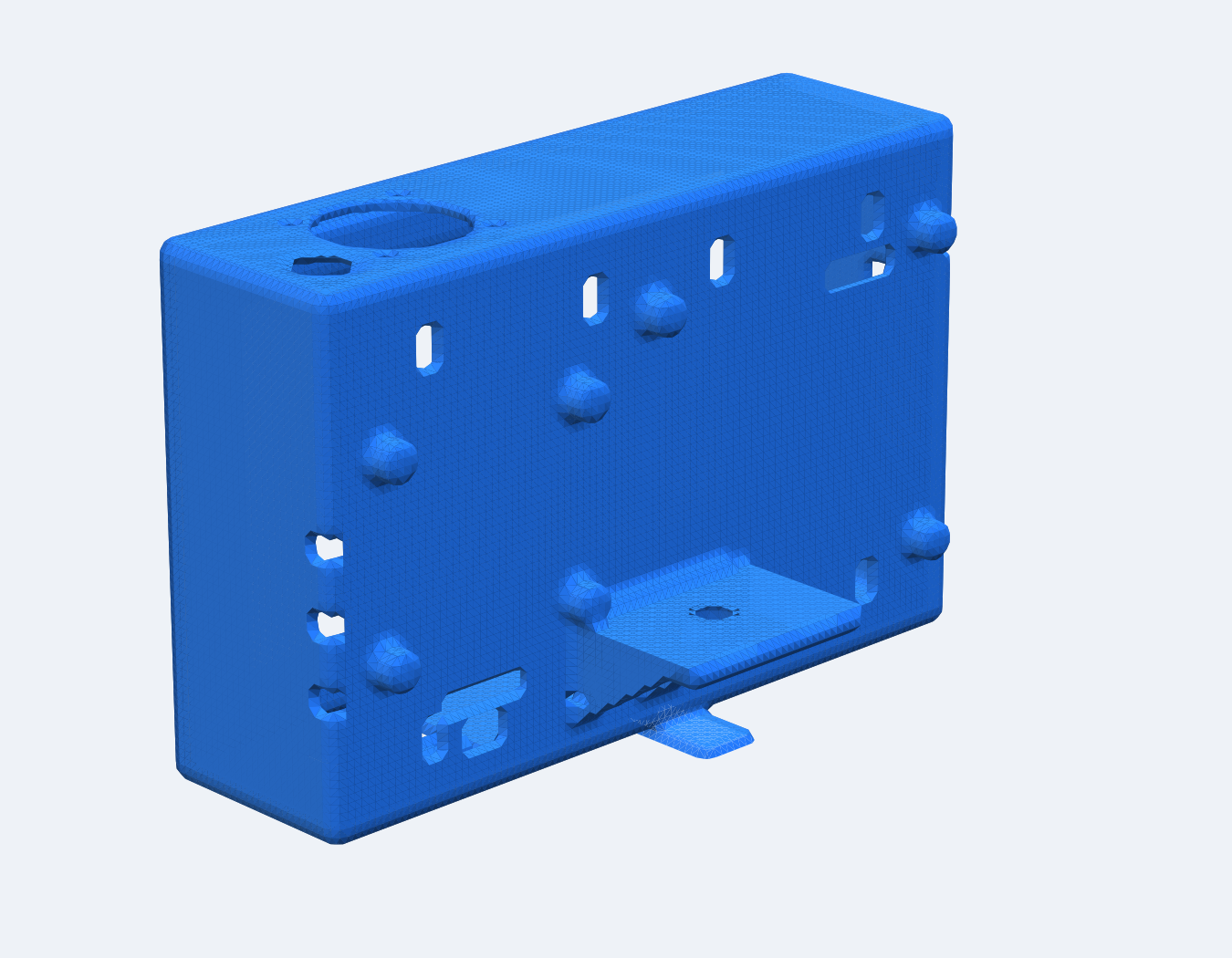
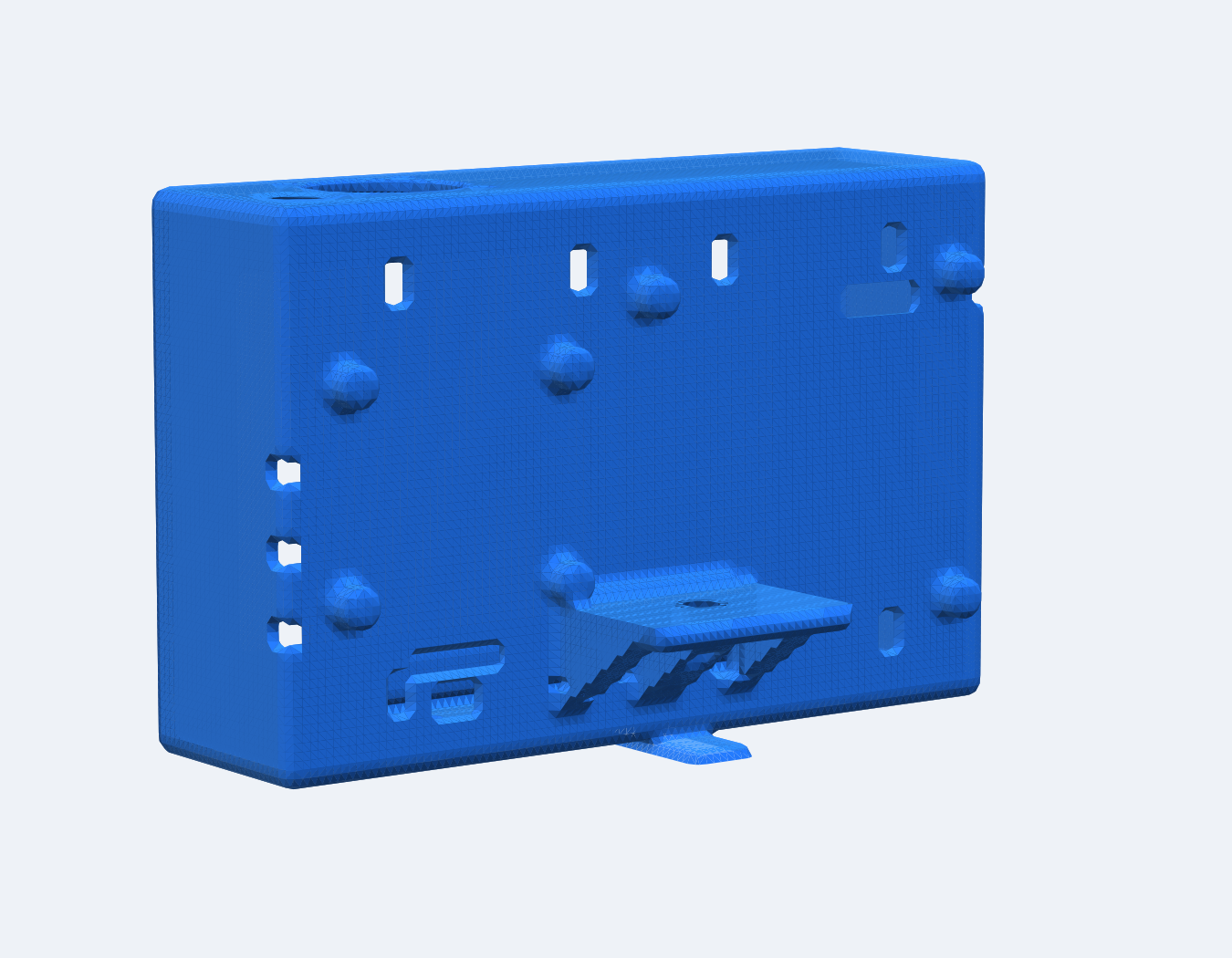
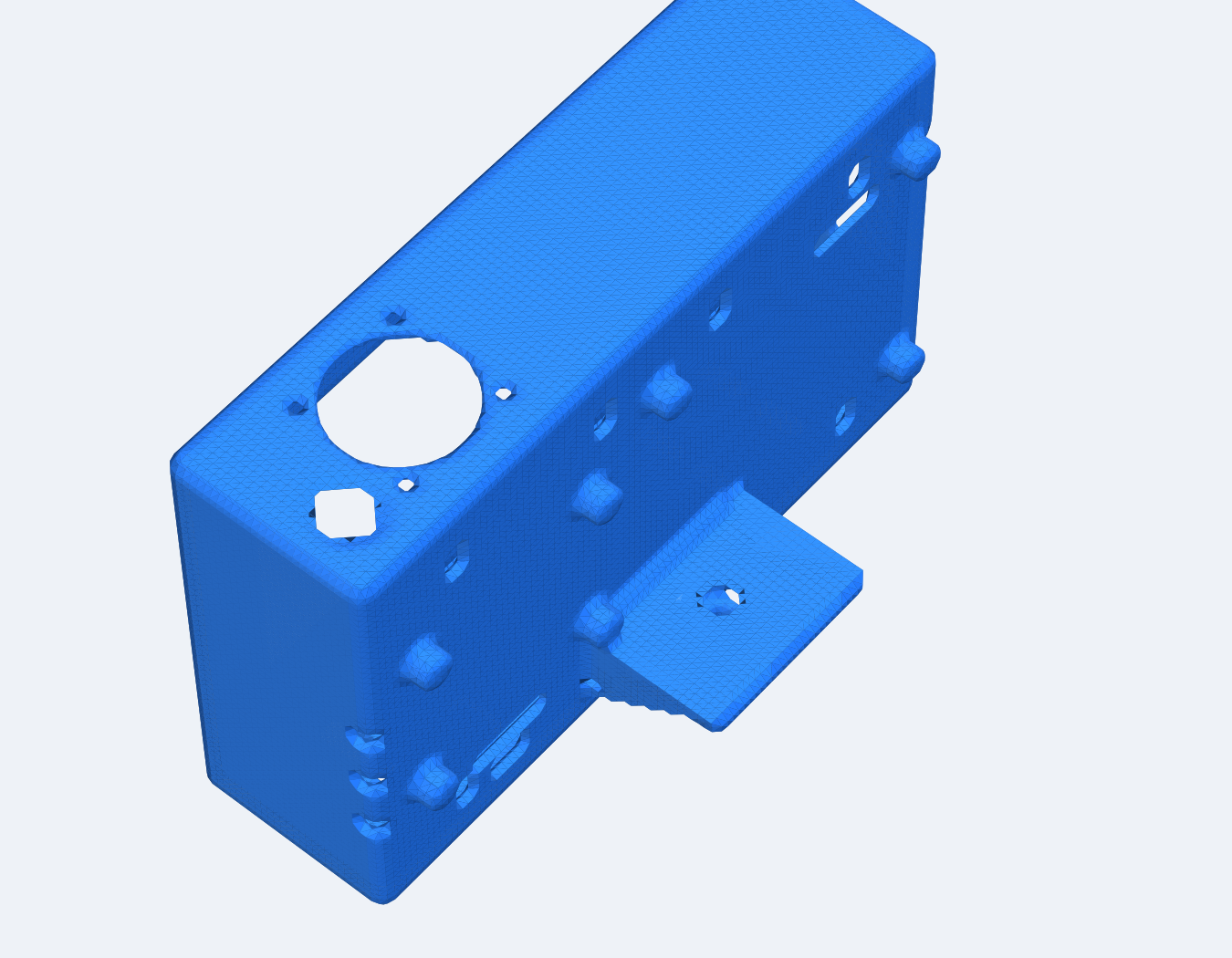
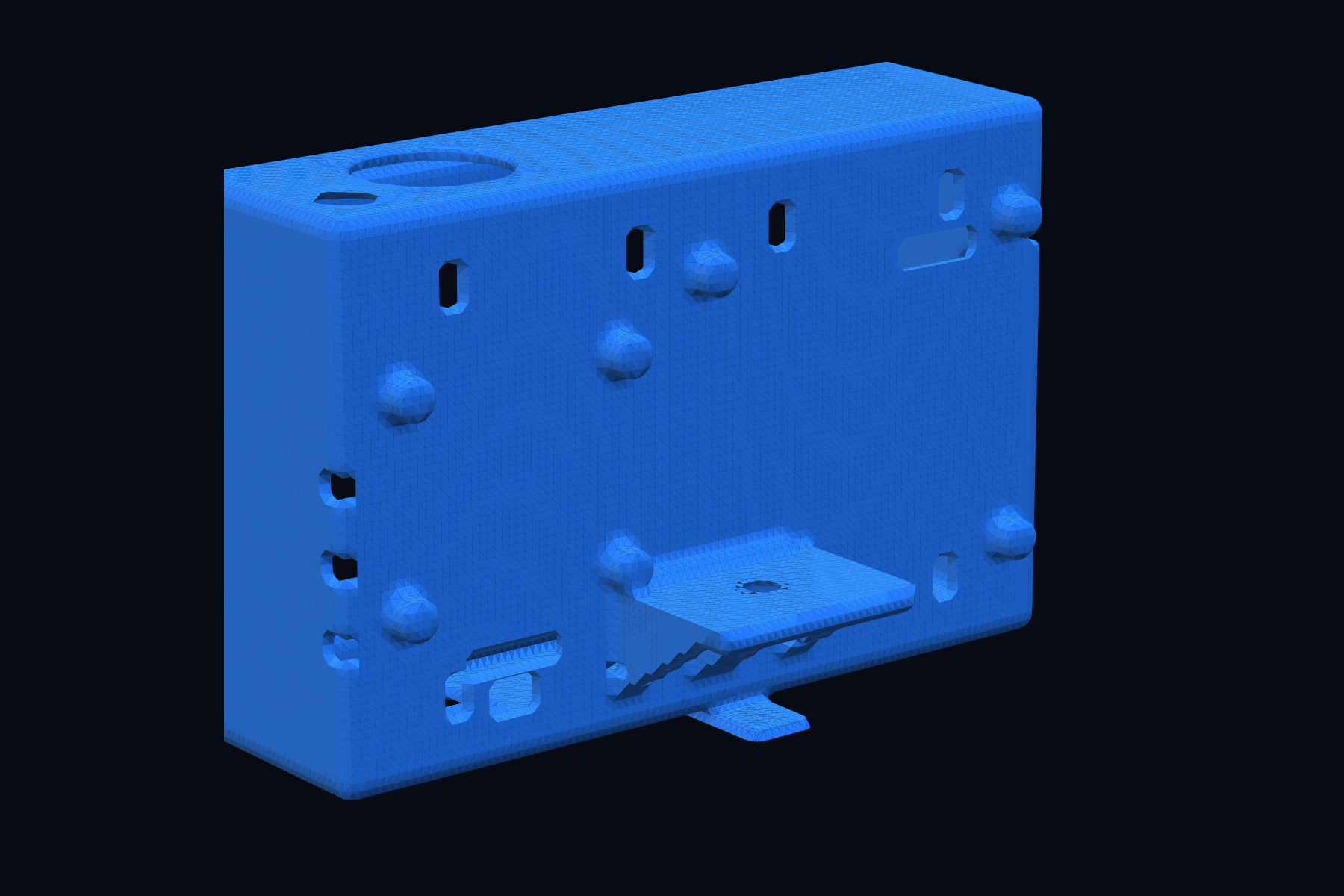
One printed piece. The 7-inch display fills the back, the Raspberry Pi stack and power sit right behind it, and real Canon glass mounts on a front platform — balanced on its tripod point with a lens loaded. A slab of raw cinema you built yourself.
Rev A · three-quarter
iso
front · mount
top · cooling
tripod pointThe numbers
12-bit uncompressed CinemaDNG — the sensor's own data, nothing thrown away.
HQ camera on a Pinefeat EF / EF-S adapter — real Canon glass with electronic focus & aperture.
Runs the raw pipeline; CSI-2 straight to the sensor, PCIe to fast storage.
Four 18650 cells through a UPS with seamless power-path and safe shutdown.
Raspberry Pi Touch Display 2 on the back — live preview and control.
M.2 over PCIe — the throughput headroom raw 1080p actually needs.
X9 ships on the IMX477 today. The open upgrade boards are done on the silicon side but almost never actually in stock.
Glass — the honest reason
The sensor at the heart of X9 will happily take a cheap C or CS lens screwed straight onto the front — so why don't we go that route? Because those lenses are "dumb glass." There's no electrical connection between the lens and the camera: you set focus, brightness and zoom by hand, twisting rings on the barrel, and the camera gets no say in any of it.
Locked off · on the tripod
With the camera parked, working the lens by hand is easy. Nothing's changing — set your zoom, set your focus, roll. C / CS lenses do this all day.
Camera in motion · into the scene
Push the camera toward someone and two things change every second: how far away they are, and how much light is on them. The camera has to nudge focus to stay sharp and open or close the iris to hold the brightness — live, mid-move. Nobody can hand-twist rings fast enough, especially solo.
That automatic correction is autofocus and auto-exposure — and both only work when the camera can drive the lens electronically. C and CS mounts can't; there's no wire to carry the signal. So the moment the camera moves, electronic focus and aperture stop being a nice-to-have and become the whole point. That's why X9 runs Canon EF / EF-S and passes on C and CS.
The stack
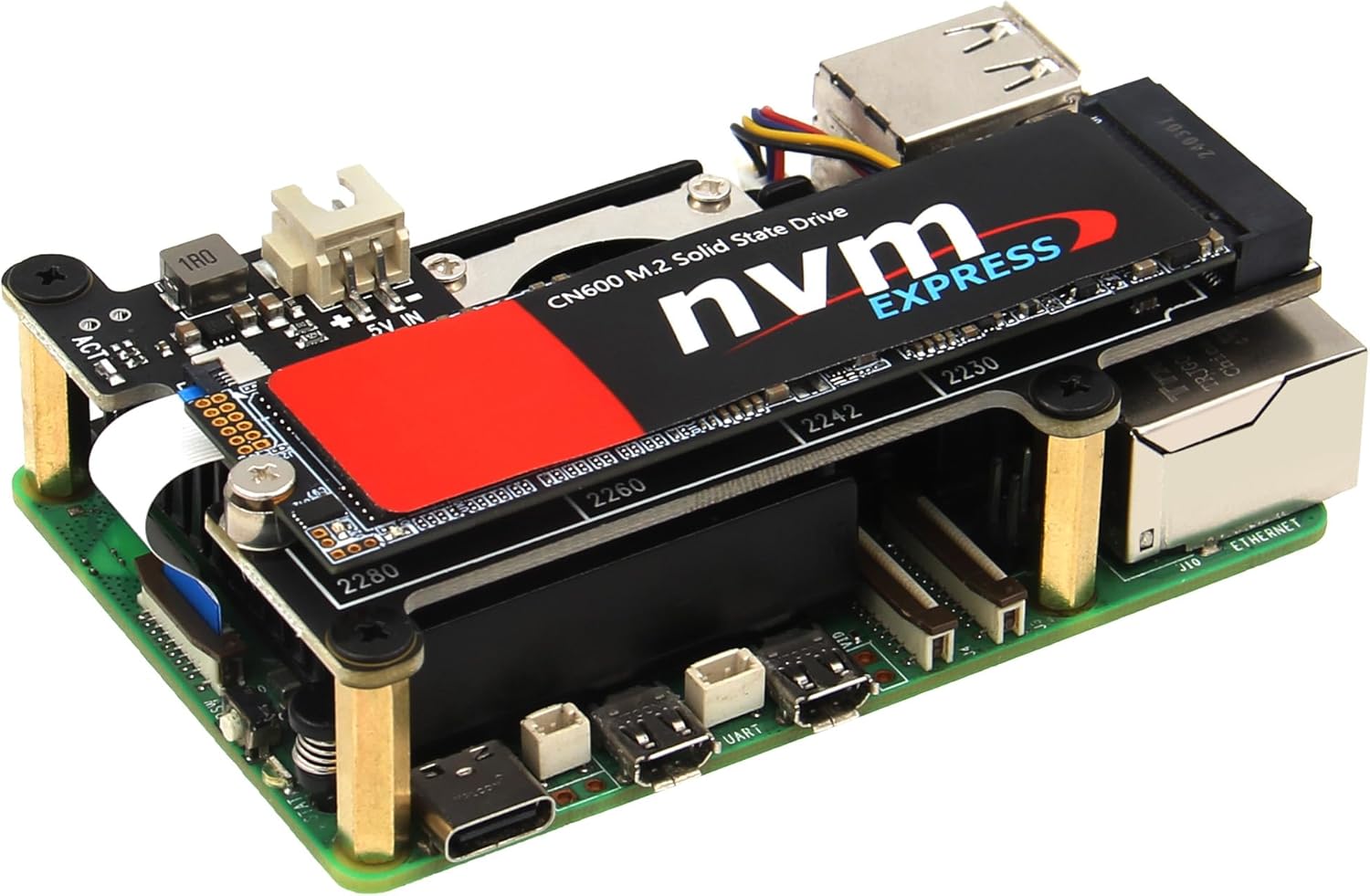
Behind the screen sits the brain: a Raspberry Pi 5 with NVMe storage and battery-backed power, stacked into the deep back of the body.
The engine — the whole raw capture pipeline lives here.
Fast M.2 storage: ~75 MB/s of raw frames land with room to spare.
USB-C / DC in, charges the pack, runs the camera, switches over on power loss.
Build log
Rebuilt the body to the real 155 × 88 mm Touch Display 2 footprint.
40 mm fan over the SSD; an integral ¼-20 slab sitting right on the loaded center of gravity.
4× 18650 endurance with seamless UPS switchover and safe shutdown.
Swapped the printed lens tower for the Pinefeat EF adapter on a front platform — real Canon glass, autofocus, aperture control.
// following up; adapter still in service on Rev A
On the bench
The body was the easy part. Here's where X9 is headed — open, hackable, and a little unhinged.
Zebras, false-color and punch-in focus assist, rendered live on the 7″ touch.
Roll, rate and monitor over Wi-Fi from your phone — no cables, no laptop.
EF today; PL and M-mount adapter plates that bolt to the same front platform.
Reworking the front platform to seat a 12mm AF macro extension tube (EF/EF-S, electronic contacts) — soldered up and mounted straight to the frame.
The part →Genlock a wall of X9s for bullet-time and volumetric capture rigs.
Per-sensor color matrices plus a community LUT library baked into the pipeline.
An open capture stack — flash it, mod it, ship your own build.